Map the flows first
- Separate lift travel from pedestrian zones along the shortest, clearest paths.
- Set delivery queues so trucks do not back across boom lift swing arcs or forklift approaches.
Surface and footing conditions
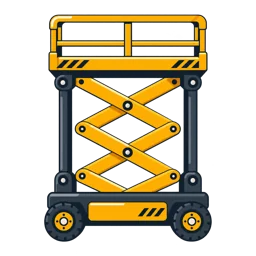
- On slabs, barricades define charge zones for electric scissor lifts and keep cables out of main aisles.
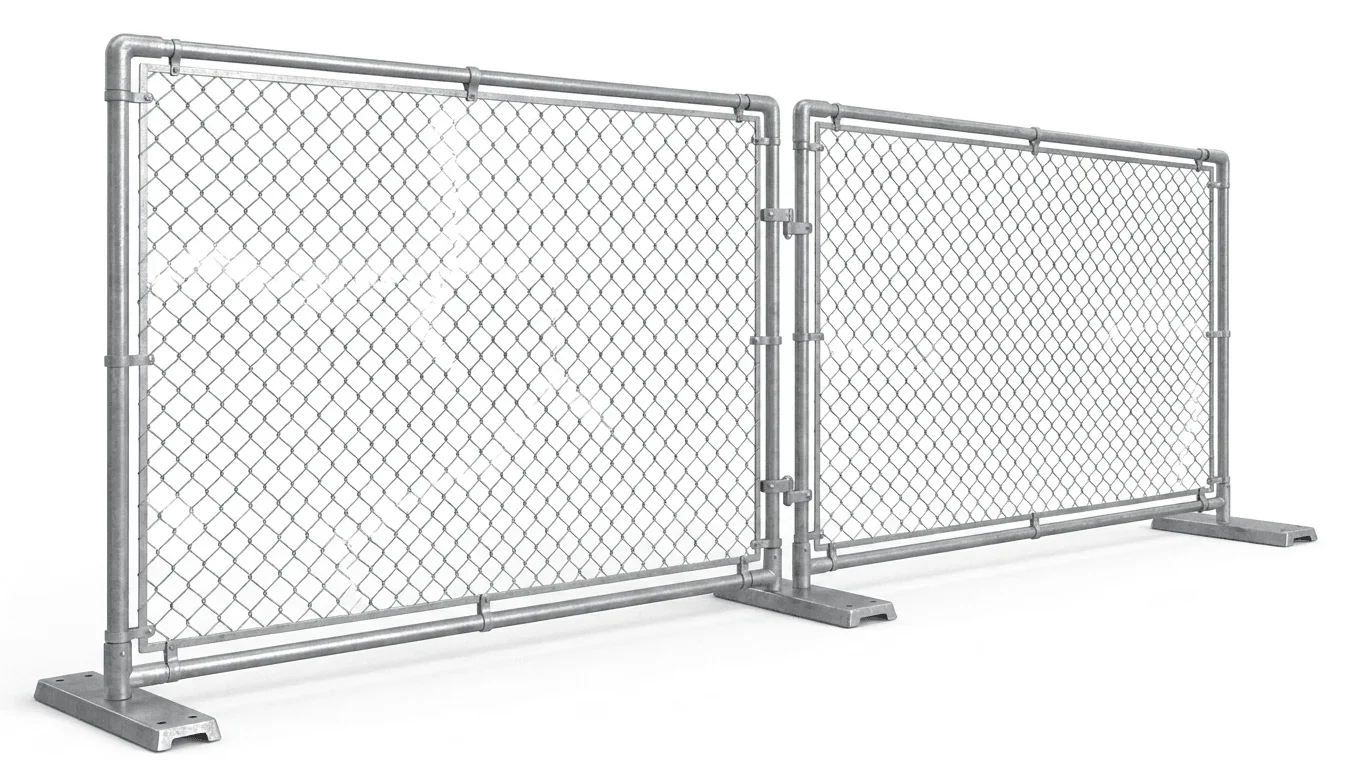
- On thawing yards, panel bases need wider bearing on soft clay. Low spots can let feet sink and tilt lines, especially after freeze–thaw cycles.
Openings and visibility
- Gates should align with straight approaches for telehandlers and delivery trucks to reduce rutting and tight turns.
- Use sightline breaks near corners where aerial lifts travel so operators can see around panels before entering intersections.
Weather and wind considerations
- The regional climate swings from deep cold to hot, gusty afternoons. Layouts should account for wind load on long, continuous runs with intermediate breaks or returns as specified by the chosen system.
- Snow piles can block panel feet; plan storage or snow routes so fence lines remain plumb and passable.
Indoor phases at tech sites
- Inside conditioned spaces, barricades often create clean corridors to raised-floor rooms. Keep barricade bases out of tile pathways and align openings with floor load limits.
Actual conditions, the system’s instructions, and site procedures govern the final configuration and use.