When an articulating boom makes sense
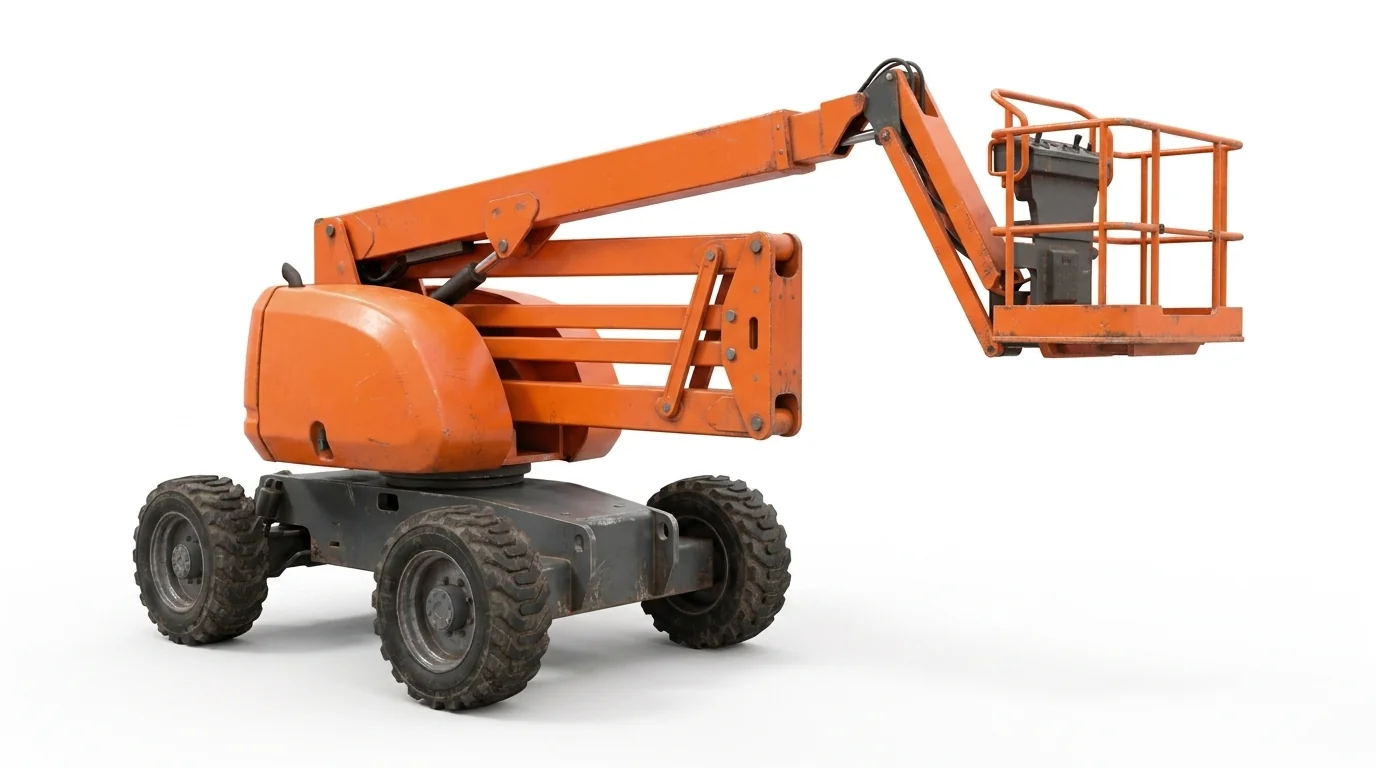
Articulating booms solve problems where straight-line reach is blocked. Common Des Moines use cases include:
- Overhead duct and cable support work where aisles are narrow and the task is offset.
- Routing above server racks or equipment lines without moving assets below.
- Facade, canopy, and sign work that requires reaching up, then over, from a setback.
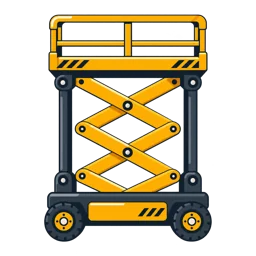
If the machine can sit right below the task and the path is clear, compare options at /electric-scissor-lift-rental/ or /telescopic-boom-lift-rental/ first. If the task sits behind obstacles, articulation usually shortens setup time because you can position beside, not beneath.
Surface, season, and power in central Iowa
The regional climate creates two distinct scenarios:
- Indoor slab and winter maintenance: favor electric articulating booms with compact footprints and non‑marking tires. Battery runtime, platform capacity, and overall width matter more than speed.
- Outdoor thaw and compacted soils: look at rough‑terrain models with oscillation, higher ground clearance, and tread suited for soft ground. Actual conditions and site procedures govern equipment suitability.
Dimensions that narrow the pick
Work backward from the task:
- Vertical height: required platform height plus any needed clearance above finished work.
- Horizontal reach after up‑and‑over: the distance from the obstacle’s edge to the work face.
- Jib articulation: useful when you must fine‑position around conduit, trays, or soffits.
- Machine width and stowed length: confirm aisle widths, doorways, and turning areas.
- Weight and floor loading: for raised floors or mezzanines, request allowable point loads and concentrated load limits.
Data hall and logistics patterns in Des Moines
Facilities with raised access floors and dense equipment layouts push you toward compact electrics with precise jib control and tight tailswing. Local distribution buildings often need four‑wheel drive units to navigate yard transitions and reach roof edges from set‑back positions. Match the boom’s outreach map to the building geometry, not just its headline height.
Related categories
- Straight-line exterior reach: /telescopic-boom-lift-rental/
- Flat indoor access: /electric-scissor-lift-rental/
- General overview: /boom-lift-rental/
Call
Des Moines Scissor Lift Rentals (515) 416-4577