Site surface and door swing
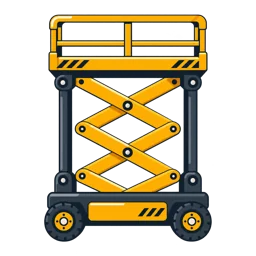
- On slabs, leave door swing outside scissor lift travel and keep aisles wide enough for vertical mast lifts to pass without clipping handles.
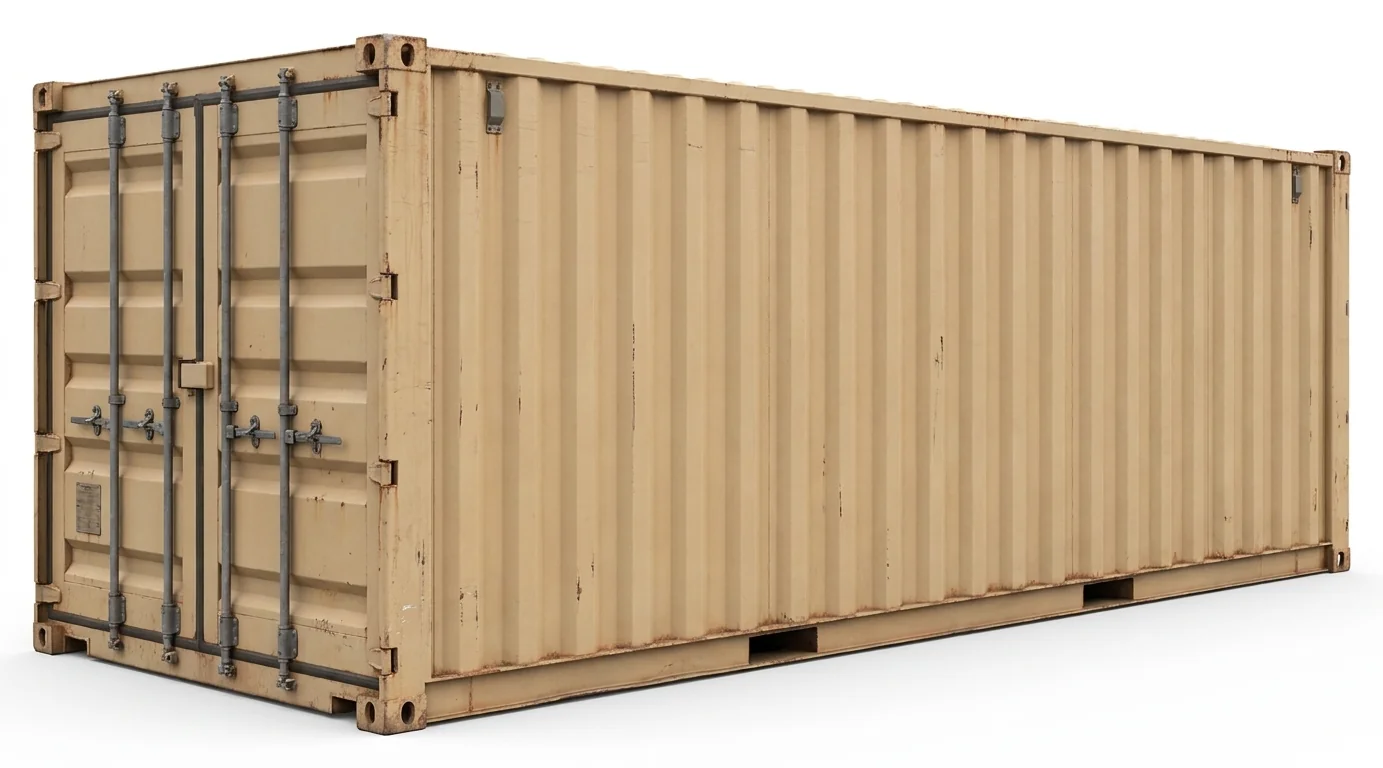
- On yards, spring thaw can tilt a container if one corner settles. A level, well-drained pad reduces racking of the doors and keeps inventory accessible.
Access route for delivery
- Straight, level access is best for tilt-bed or crane set-down. Tight turns through wet clay can rut and limit future access for forklifts and telehandlers.
- Measure overhead clearances at gates, cables, and door headers. Containers often arrive taller on trailers than expected for indoor transitions.
Size and layout vs. task flow
- Data and electrical work packages benefit from shorter containers staged close to raised-floor entries so parts are within a short, protected carry.
- Large racking or ductwork projects need longer units but should avoid blocking boom swing paths or the base space needed by articulating boom lifts.
Season and security considerations
- Winter: keep doors facing away from prevailing winds to limit snow pack at thresholds and reduce icing.
- Spring: choose pads with drainage so meltwater does not pool at the door line.
- Industrial sites: plan sightlines so operators in aerial lifts can see around containers when traveling.
Coordinating with lift equipment
- Where containers support indoor scissor work, stage them near charger locations without forcing extension cords across aisles.
- For outdoor steel or envelope work, leave swing clearance equal to the maximum tail swing of boom lifts so machines can rotate without contacting corners.
Actual conditions, unit instructions, and site procedures govern final placement and use.